
I’ve been thinking a lot lately about the difference a preposition makes, particularly the difference between moving with purpose and moving on purpose.
For much of my career, I have moved with purpose, choosing work that matters to me, investing myself in student success, particularly for students who have not always been well served by higher education, (sometimes purposely excluded) and trying to make sure that the programs, policies, and practices within my circle of influence actually help students get where they are trying to go.
But, as I enter this stage of my career and this stage of my life, I am realizing that moving with purpose is not quite the same thing as moving on purpose.
Moving with purpose means that I know why I am doing the work.
Moving on purpose means that I am becoming much more intentional about where I invest my time, which invitations I accept, which conversations I choose to enter, and, perhaps most importantly, what perspectives and whose experiences I make sure I carry into those conversations with me.
As this academic year begins, I have had the opportunity to say yes to several invitations to participate in broader conversations about student success, equity, access, experiential learning, and the ways we create pathways into, through, and beyond higher education, and I have realized that, although these opportunities may look different on the surface, I am saying yes to them for many of the same reasons.
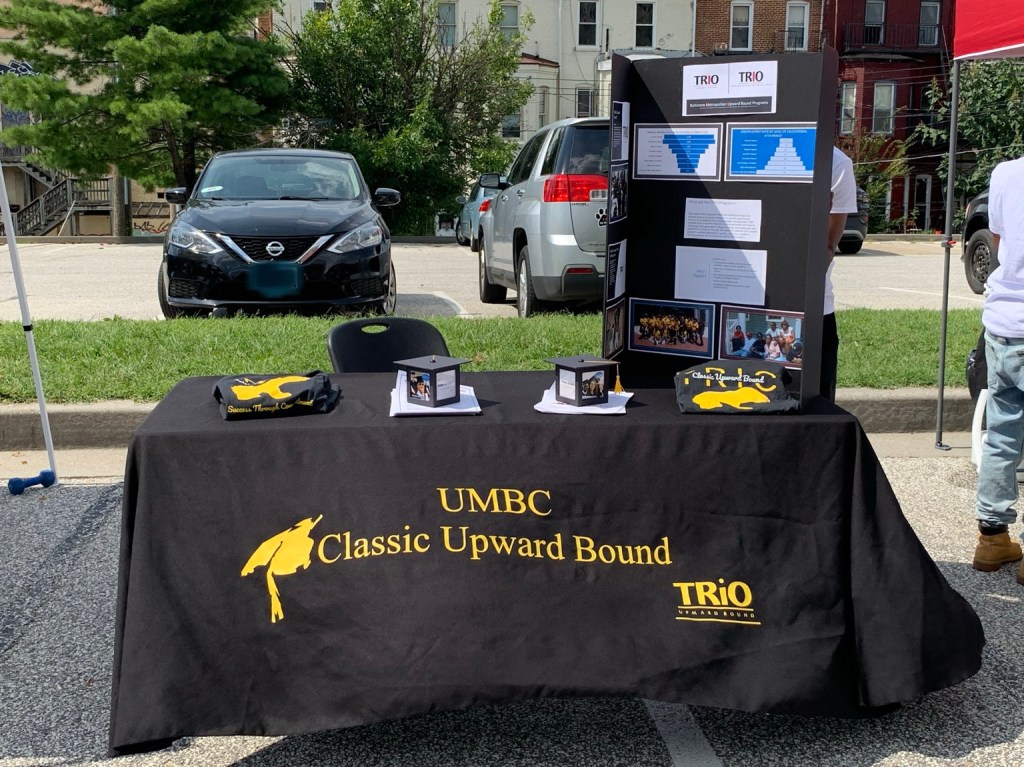
I want to be in conversations where we are asking who we are actually designing for, because when we say that something is intended for “all students,” I want us to consider whether our image of a student includes the first generation student, the student from a low income family, the adult learner, the commuter, the transfer student, the student from a historically excluded community, and the student whose path through higher education may bear very little resemblance to the traditional 18 to 22 year old residential college experience.
I want to be in conversations about what we count as evidence, because, although I am heavily quantitatively oriented and believe strongly in using data to understand outcomes and inform decisions, I also believe that students are sources of data, and what they tell us about their experiences navigating our institutions can help us understand the numbers, identify things the numbers may not capture, and sometimes cause us to ask entirely different questions of the data in front of us.
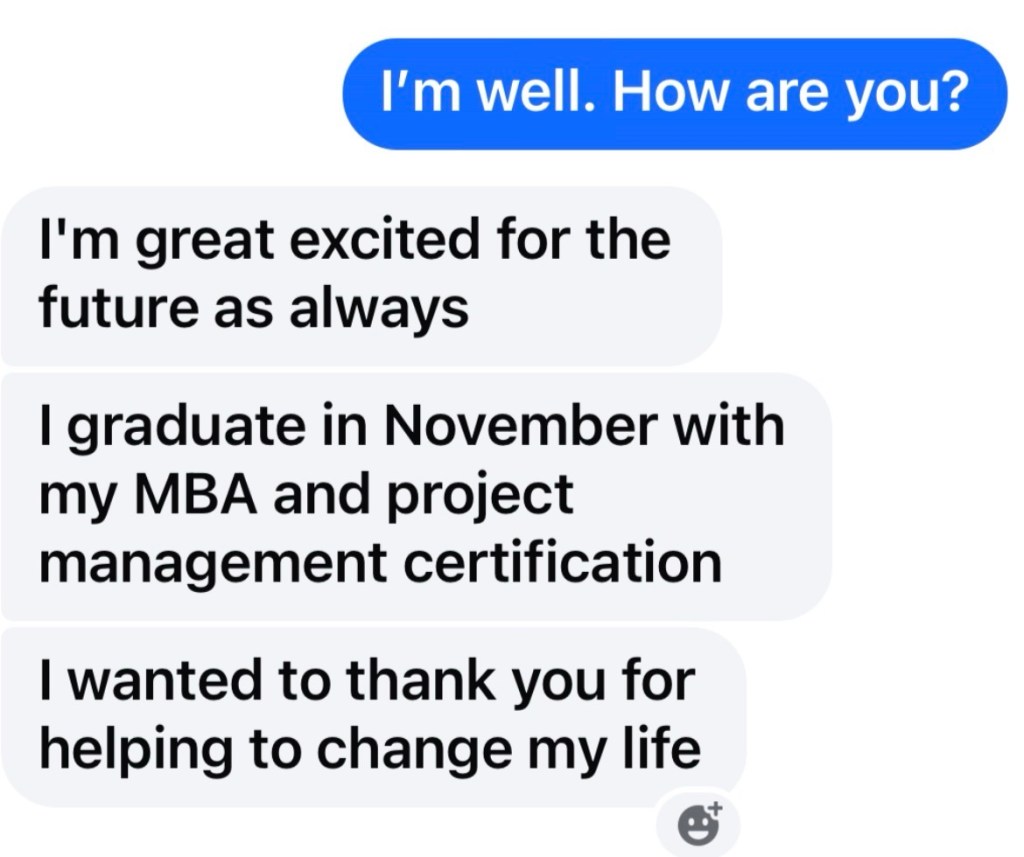
Sometimes the evidence looks like this. Student voices can tell us what the numbers alone cannot
And I want to be in conversations about who can see themselves in the opportunities we create, because access and student success cannot simply mean creating opportunities and making them available to everyone. It also means thinking intentionally about the student who is already positioned to take advantage of those opportunities, the student who does not yet know those opportunities exist, and the student for whom we may need to build a bridge before the opportunity is truly accessible.
That last point is particularly important to me when I think about the communities our institutions serve, because I want the high achieving student with multiple options to understand why UMBC might be a place where they can thrive, while also making sure that the student who needs additional academic preparation, information, encouragement, or support has a pathway that can help them get to the point where this can be a place for them too.
I think that is what moving on purpose is beginning to mean for me.
It is not a rejection of moving with purpose, because I hope that I have always done that. Instead, it is an evolution in how I think about purpose, one that requires me to be more deliberate about where I can contribute, more thoughtful about why I am accepting an invitation, and more conscious of the perspective I am expected to bring when I enter the room.
Because sometimes having a seat at the table is not really about the seat at all.
Sometimes it is about making sure that, when you take that seat, you bring people and perspectives into the room who may not otherwise be represented there.
At 50, I am finding myself thinking much more intentionally about the difference the preposition makes.